
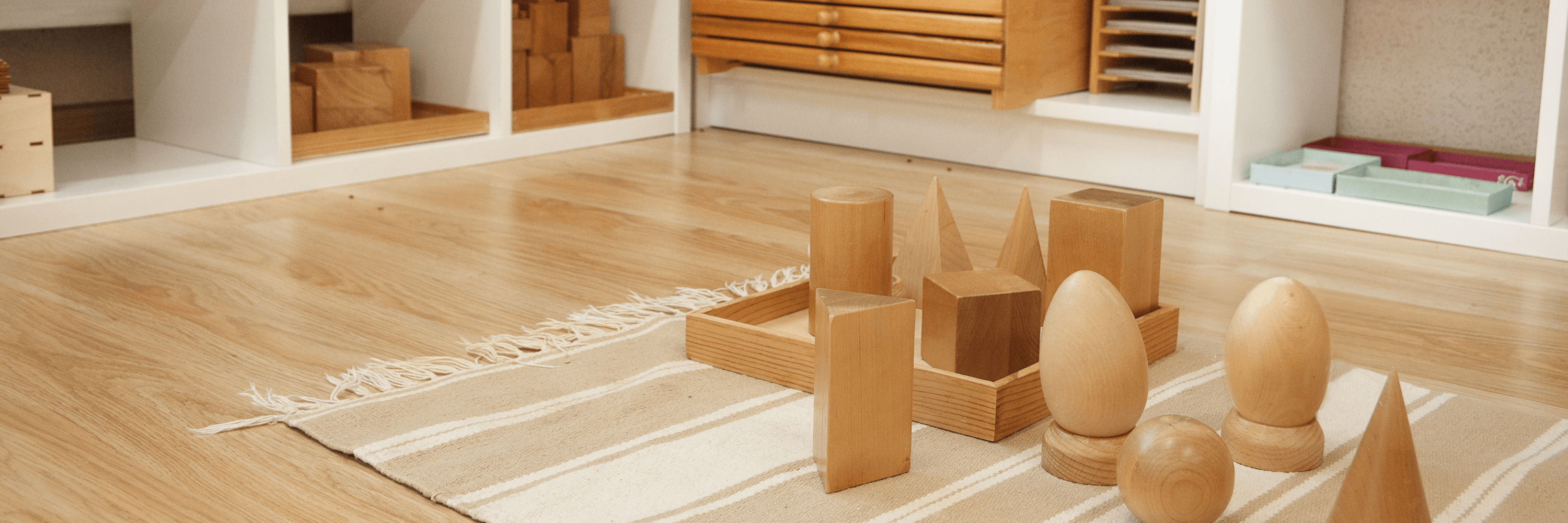
Embarking on the journey of Montessori education unveils a rich tapestry of thoughtfully chosen materials that serve as the building blocks of a child's learning experience. This exploration takes us on a nuanced exploration of Montessori materials, unraveling their intricate design and profound impact on shaping the educational narrative for young minds.
The Precision in Montessori Material Design
Central to the Montessori approach is the integration of hands-on materials that encourage self-correction and independent exploration. These purposefully crafted materials, designed to engage multiple senses, foster an interactive learning environment where children actively participate in the construction of their knowledge.
Sensorial Materials
Montessori sensorial materials act as gateways to heightened sensory perception. From the iconic pink tower to the knobbed cylinders, these materials introduce children to concepts like size, shape, color, texture, and sound in a tangible and experiential manner. The emphasis on sensorial experiences lays the foundation for abstract thinking and intellectual growth.
Mathematics Materials
Montessori math materials provide a concrete foundation for abstract mathematical concepts. Through the manipulation of golden beads, number rods, and spindle boxes, children engage with mathematical principles in a hands-on manner. The sequential nature of these materials aligns seamlessly with a child's natural cognitive development.
Language Materials
Language development takes center stage in the Montessori classroom with materials like sandpaper letters, the moveable alphabet, and language cards. These tactile tools offer children a multi-sensory approach to acquiring language skills, fostering proficiency in reading and writing through interactive learning experiences.
Practical Life Materials
Montessori extends beyond academics to emphasize practical life skills through purposeful materials. Pouring, spooning, and dressing frames not only enhance motor skills but also instill a sense of order, concentration, and independence in children, laying the groundwork for lifelong self-sufficiency.
Cultural and Science Materials
Montessori's holistic approach extends to cultural and scientific exploration. Materials such as globes, puzzle maps, and botanical specimens enrich a child's understanding of the world. This interdisciplinary approach nurtures curiosity and a passion for exploring the interconnectedness of the natural and cultural realms.
The Montessori Guide's Role
At the core of the Montessori experience is the role of the guide or teacher. These educational leaders keenly observe each child's progress, tailoring the learning journey to match individual needs. By introducing materials at precisely the right developmental stage, Montessori guides cultivate a love for learning and support each child's unique intellectual and emotional growth.
Montessori materials are not mere educational tools; they are catalysts for discovery, understanding, and independence. This nuanced exploration sheds light on the meticulous selection and purposeful use of these materials, emphasizing their transformative role in shaping the educational trajectory of every child.
See Montessori in action
Schedule a weekday tour — and enjoy your first four weeks free.